Septic Repair in Lynnfield, MA
Many septic problems are failed components rather than a failed system: a cracked tank, a broken pipe, an uneven distribution box, or a pump that stopped working. We connect you with independent local septic professionals who can find the problem and give you a written repair price.
Lynnfield homes at a glance
Source: U.S. Census Bureau, American Community Survey 2020–2024 5-year estimates, via Census Reporter.
What that means for septic repair in Lynnfield
With a median build year around 1964, many Lynnfield homes still have systems installed decades ago, and older components are more likely to need attention.
The median home in Lynnfield was built around 1964, and about 43% of homes were built before 1960. In Lynnfield, as elsewhere in Massachusetts, a repair is often the faster and cheaper fix when only one component has failed, and the Board of Health signs off on the plan.
About Lynnfield
Almost every Lynnfield home relies on a private septic system rather than town sewer.
The town's own planning documents note that much of Lynnfield's soil is poorly suited to septic absorption, especially around Pillings Pond, Reedy Meadow, and upper Chestnut Street.
Signs to watch for
- Slow-draining toilets or drains
- Sewage odors in the house or yard
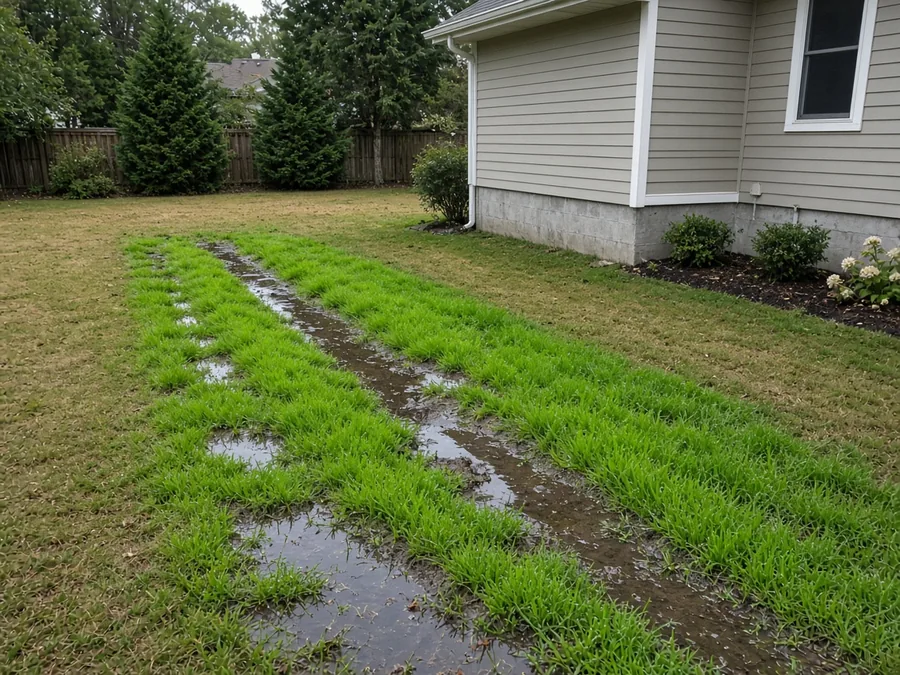
- Lush, green growth over the drainfield
- Wet or soggy ground over the system, especially after storms
- A Title 5 inspection came back as a conditional pass
What the work typically involves
- Diagnose. The pro checks the tank, baffles, pipes, distribution box, and any pump and alarm, often with a camera.
- Board of Health approval. MassDEP says the local Board of Health must approve most repairs. Your contractor usually handles the paperwork.
- Repair. Common repairs include replacing a cracked tank or baffle, broken pipe, distribution box, or pump.
- Keep records. Keep a copy of all repair, pumping, and inspection records for the next Title 5 inspection or sale.
Helpful resources: MassDEP: Buying or selling property with a septic system · MassDEP: Caring for your septic system · Town of Lynnfield planning document (septic and soils)
Why septic problems matter
A failing septic system can back sewage into the house or yard and contaminate groundwater and wells. In Massachusetts, a Title 5 inspection is generally required before a home sale, and failed systems must be upgraded.
Sources: EPA: Septic Systems and Drinking Water · Mass.gov: Buying or Selling Property with a Septic System · EPA: How to Care for Your Septic System
Septic Repair in Lynnfield: FAQ
Who approves septic repairs in Lynnfield?
The Lynnfield Board of Health. MassDEP says the local Board of Health must approve all septic upgrades and most repairs, and it is the first call if you think your system has failed.
Can someone come out quickly in Lynnfield?
It depends on the contractor's schedule. When you submit a request, we pass it to an independent local septic professional who serves Lynnfield, and they contact you directly.
Is there help paying for septic repairs?
Massachusetts offers a tax credit of 60% of qualifying costs, up to $18,000, for repairing or replacing a failed septic system on an owner-occupied primary residence. Since 2024 it also covers repairs and upgrades required by Title 5. The credit can be spread over up to 5 years.
Can tree roots damage a septic system?
Yes. MassDEP advises not planting trees within 30 feet of a septic system because roots can clog pipes.